
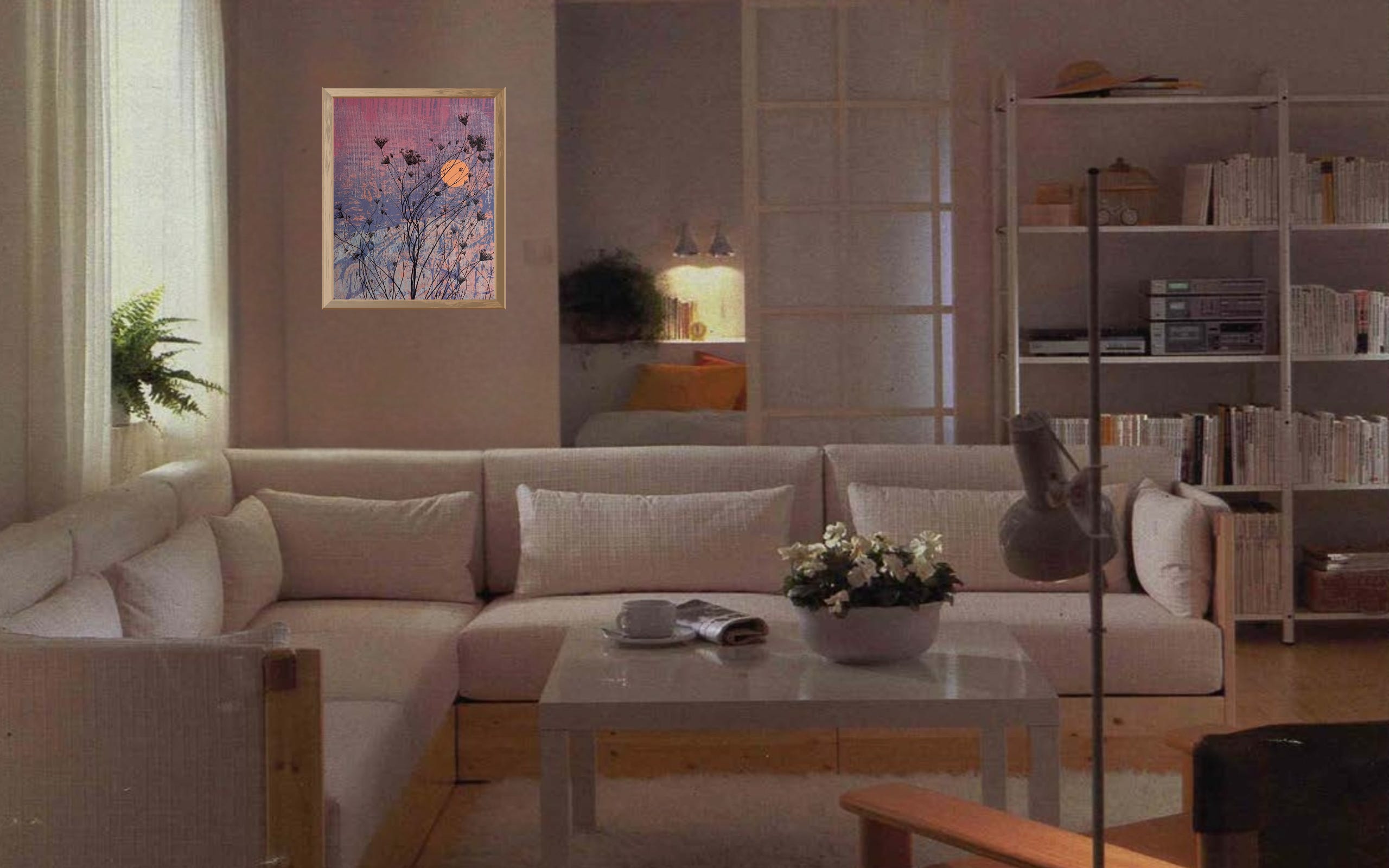
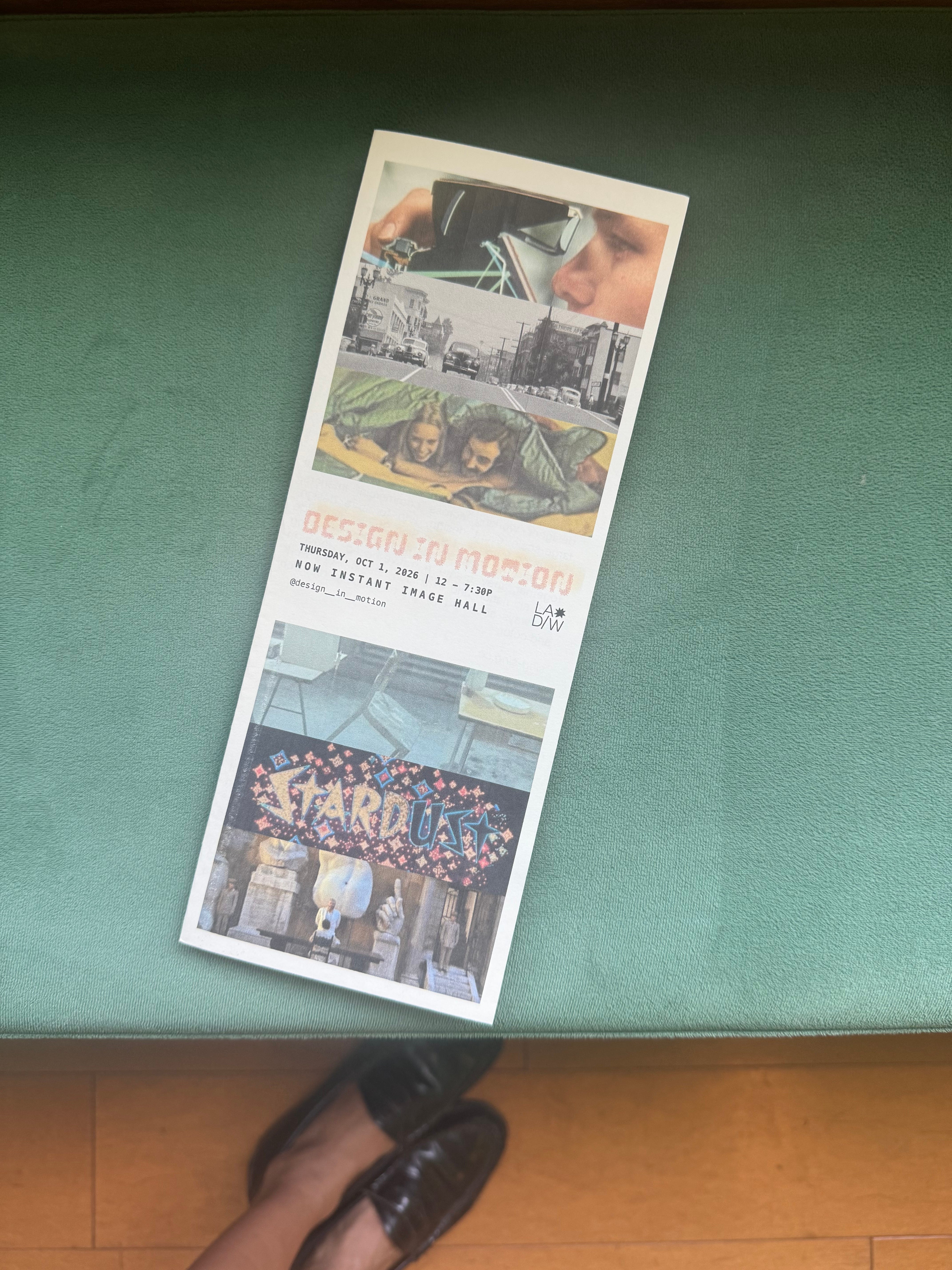
I love writing, sourcing, curating, styling, and buying art because of all the rabbit holes you find yourself in. Last week at LA Design Weekend, one of my favorite events was Design in Motion’s curation of short films, clips and ads that design creatives loved and wanted to share.
For 90 minutes, we watched things that were zany, beautiful, silly, and sometimes pure magic. Sitting in a small theater full of fellow design nerds felt like the creative break we all needed.
I’ve been thinking a lot about design in the world of AI. When I worked in marketing, the main ask from exec teams was always, “But can it go viral?” Now it seems to be, “How fast and how cheaply can we make it?” Enough shots on goal, and eventually something will hit.
But at what cost? More content keeps us scrolling, hunting for something that breaks through. Meanwhile making, thinking, experimenting, and following rabbit holes, get treated like something to speed through.
OR. We can do tiny things that make us reconnect and stay part of this big, beautiful world. Read a book. Dig through archives. Touch grass. Sit in a theater and watch a bunch of silly videos with strangers. Be thoughtful about how and why we use AI and keep the fun part of the work for ourselves.
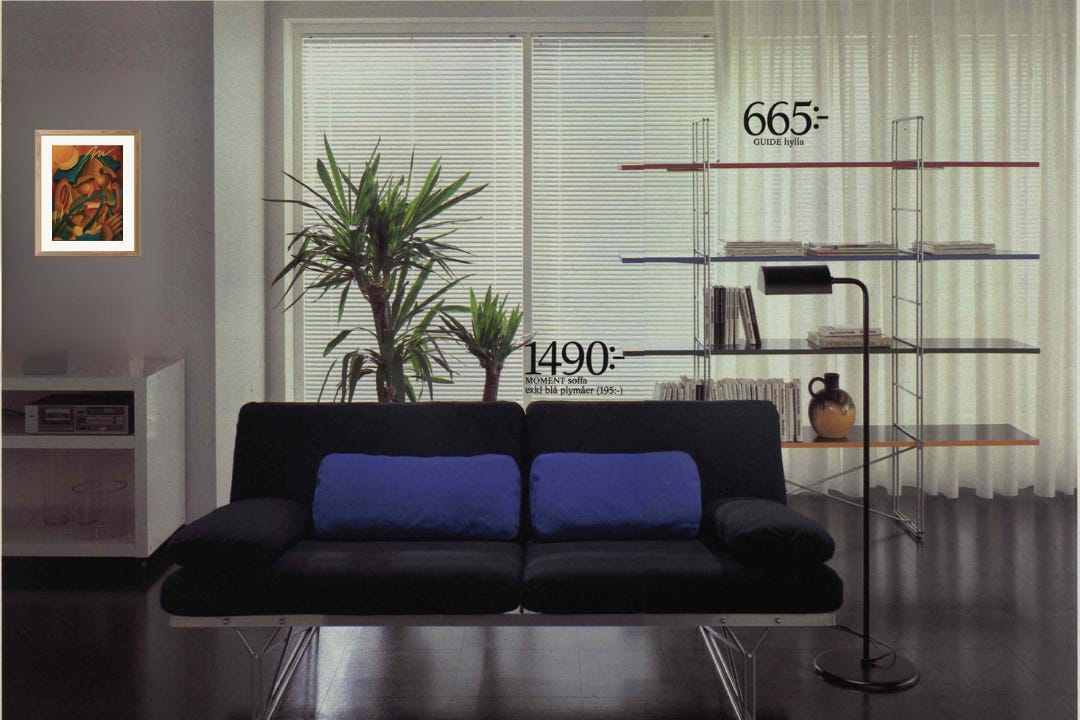
So in today’s roundup of art for $500 and under, I pulled up an old IKEA catalog from 1985 and imagined how these pieces would fit into these spaces.
There’s something lovely about seeing familiar furniture in its earlier life and finding room for something new. Here are five original works from artists around the world that I’d bring into those spaces, and yours.
As usual, if anything catches your eye, reply to this email or send me a note. I can confirm availability and help coordinate next steps.
Nwansa Warna | Senja di sudut kamar, 2025, $285
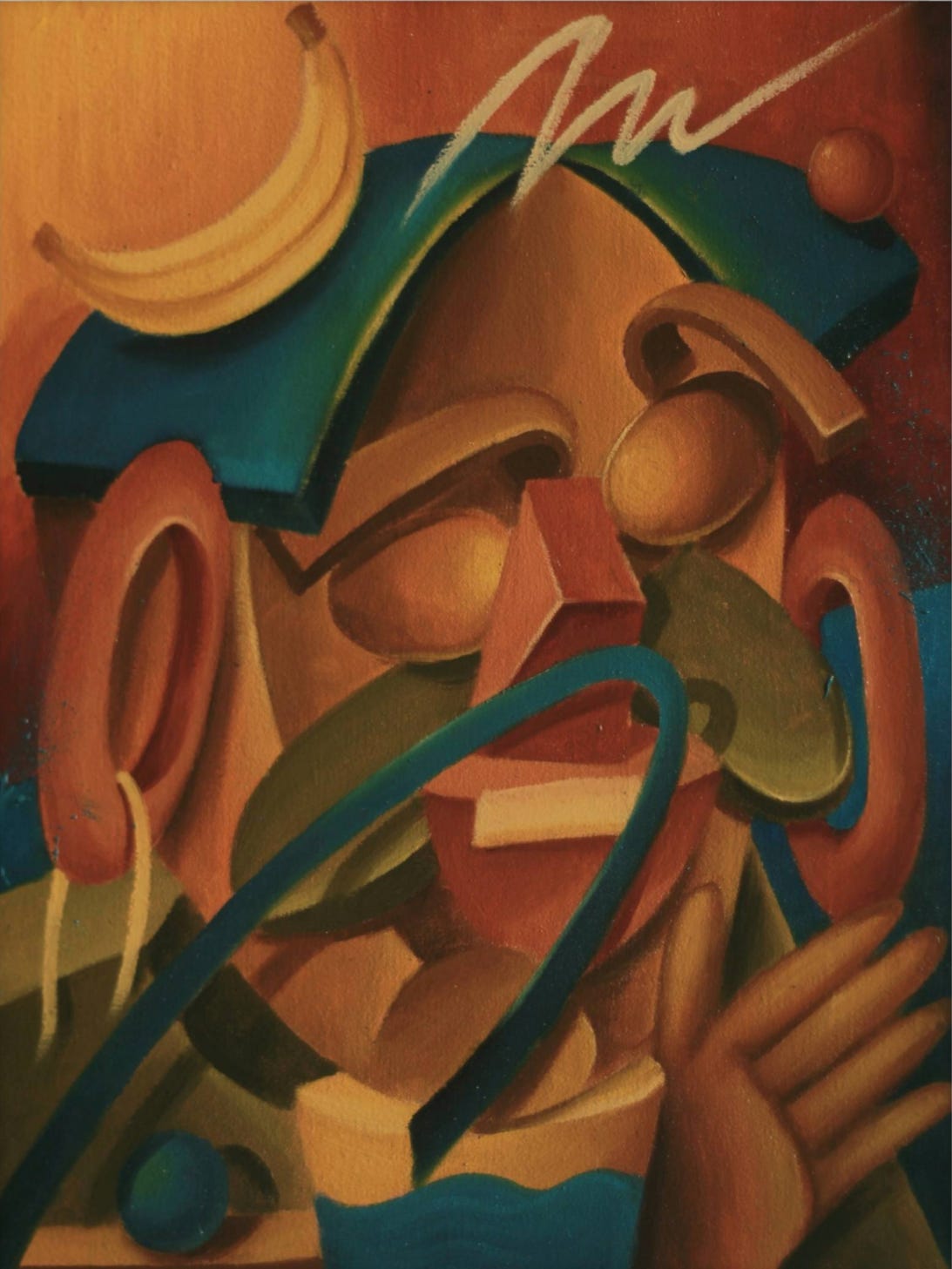
The title is Indonesian for Dusk in the corner of the room, and Warna writes that the painting is the story of a child growing up without a father’s affection. To them, the forms are broken from the absence and confusion, but they also tell a story of resilience, of making it through regardless of the circumstance. To me, the banana in the top left corner gives that resilience a shape. Bananas are often symbols of prosperity and devotion in Indonesia, and when you look at the work from afar, the banana really feels like the focal point in the chaos of the rest of the work.
Warna’s practice is rooted in the idea that there are many paths to understanding reality and truth, and they offer their fragmented works as an example of how things that may seem disconnected may just be on their way to becoming something whole.
The wood frame picks up the warmth of the shelving, while the fragmented forms hold their own beside the wire furniture. The room feels a little more lived-in.
Four more works after the paywall.
