Don’t offload the good stuff
The Goods #15: A birthday party, a season of handmade ads, and what I’m not handing to AI
The Goods is my running list of what’s caught my eye lately: shows, essays, artists, decor. Some things will push your collecting eye, some will just be good to know, and all of them shape how I’m thinking about art right now. It all ties back to the idea that taste is a moving target. What matters is building the muscle to notice, and then notice again.
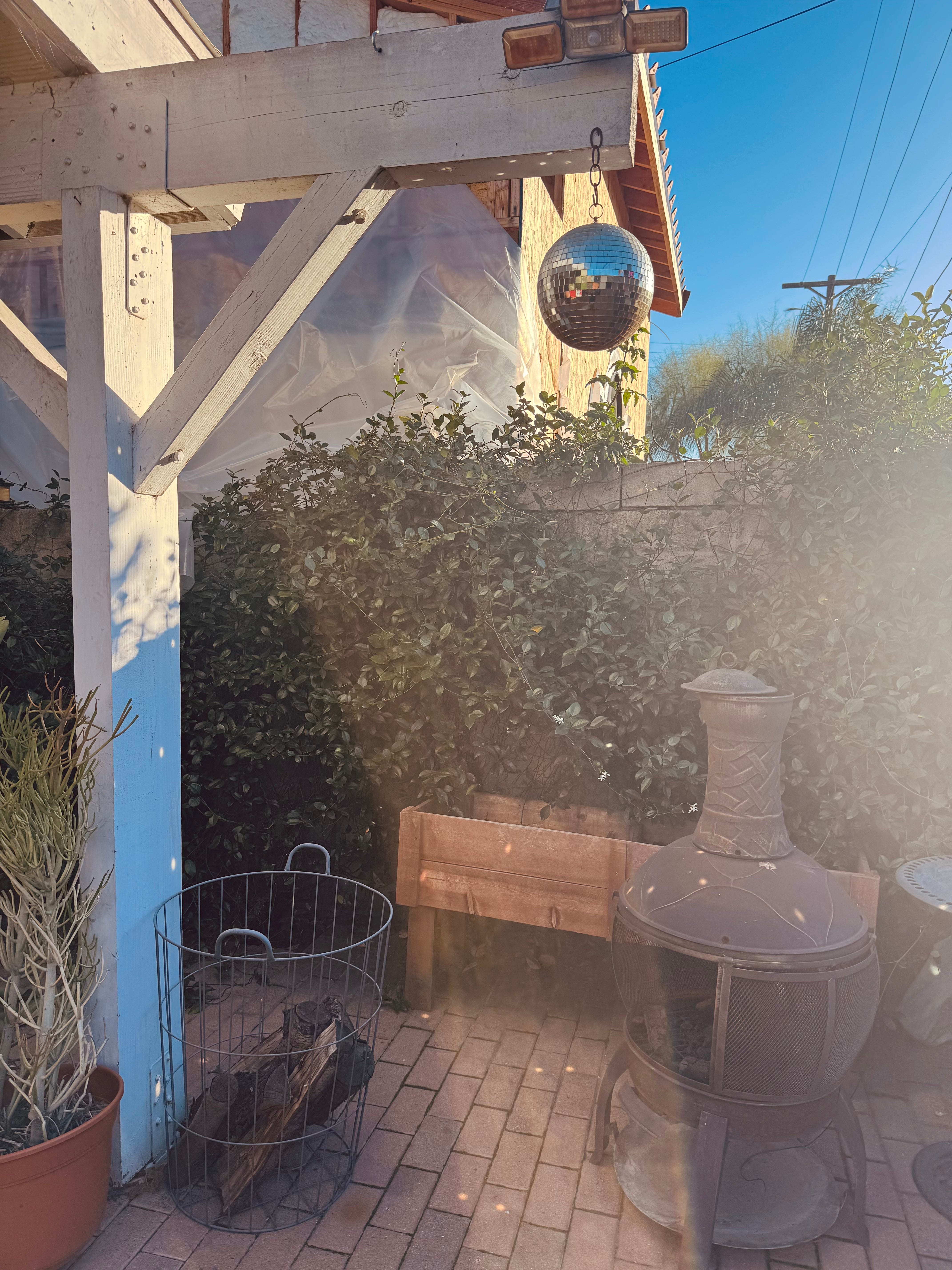
I went to a wonderful 40th birthday party recently that was filled with intention through what our host, Jeff, wanted his guests to do, feel, and bring1. Before the party, he asked each of us to send a question or challenge we wanted help with. He put them up, anonymously, on an “Advisory Board,” with markers so people could leave advice throughout the afternoon.


He also asked us to bring an appreciation - someone or something we don’t want to take for granted. Not anything fancy, just what showing up for people looks like, and as the afternoon went on, people added pebbles for the tiny moments of gratitude and grace that stayed with them.
It was a wonderful salve to my own personal life right now, but also because it felt so genuine to the birthday boy and was a warm, open, honest ask to his community to connect.
As I reflected on the afternoon it was almost an antidote to what I see on my screen. So much content, especially brand content, right now is either AI slop or starting to feel like a try-hard effort to make sure people know it is made by hand. Even advent calendars have fallen into this either/or distinction: either a bunch of crap (hi, Skims), or so over the top that it no longer seems to deliver on the promise of an advent calendar.
I’ll be honest, when I first saw the Prada campaign with an OG Disney animator, I thought it was great. And then I saw the Dior one, then claymation mania. And now it feels like they all read the same strategy deck. (Dot Dot Dot has a name and a fantastic read about this: The Rise of Format Debt.)
Jeff’s party felt so particular to him and the people he’d brought together. That’s what I realize I’m craving from these “human” campaigns an idea that feels right for the people behind it.
As millennials, we’ve been deemed the generation of optimizers. I’m worried about how easily optimizing our lives turns into offloading the parts we actually want to be doing, seeing, and experiencing.
Here are some other versions of campaigns or partnerships that I’ve loved that slow down enough to notice what matters and feels right for the brand:
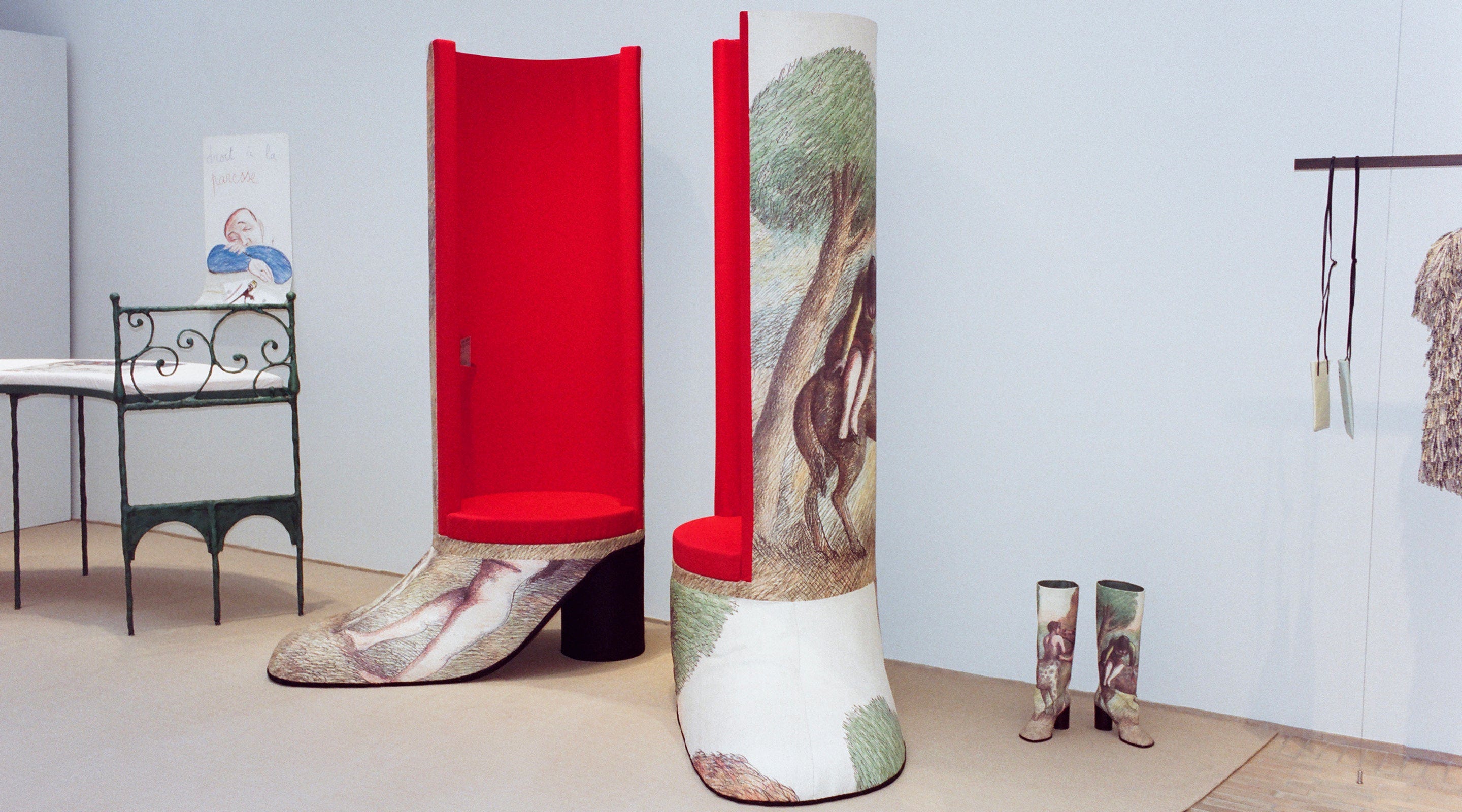
Lemaire. A curatorial program as part of the brand, with an in-house curator since 2019. The current show explores the work of French surrealist artist Roland Topor, with a capsule collection inspired by his drawings.
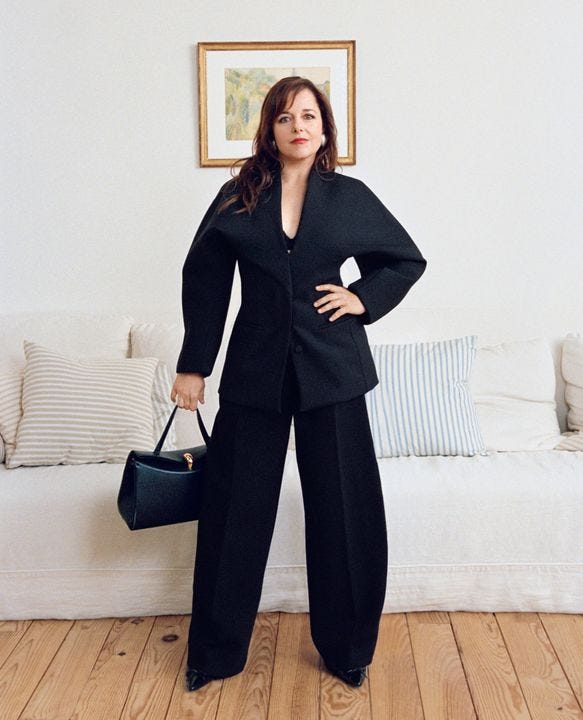
Jacquemus, one year of Le Valérie. Celebrating one year of Jacquemus’s Le Valérie bag, named after his mom, through how he saw his mother when he was a teenager (the launch featured her as a young mom through his eyes as a toddler and was perfection).
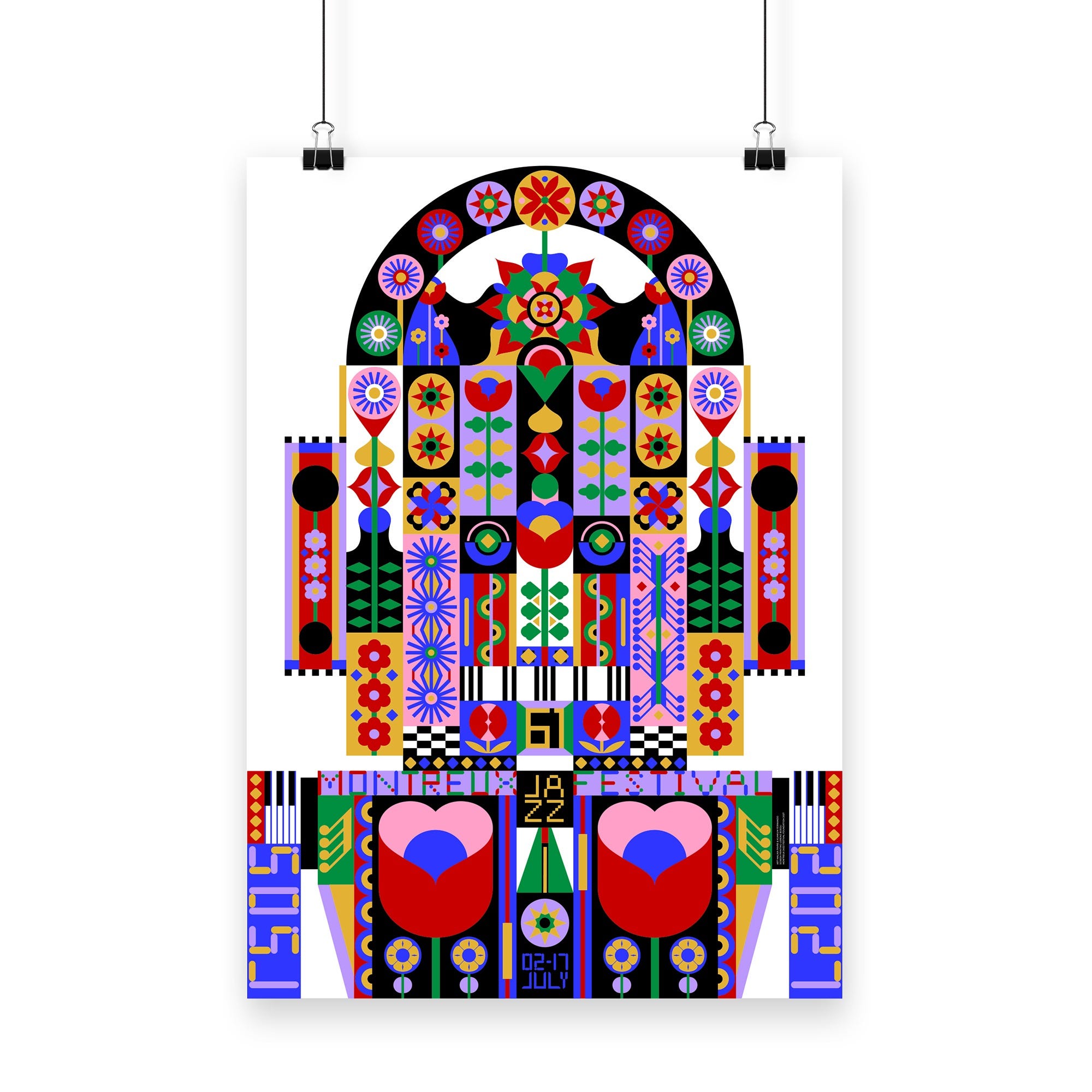
Montreux Jazz Festival with Malika Favre and Kumkum Fernando. The latest rendition of the annual Montreux Jazz Festival poster joins a line of iconic and legendary posters. This year they tapped French artist Malika Favre who created one of my favorites almost ten years ago and Sri Lankan artist Kumkum Fernando to bring some South Asian retro futurism inspired by the Summer of Love. Just to put this in perspective, the last time the festival had two artists collab on a poster it featured Keith Haring and Andy Warhol.
What I love about these projects is how specific they are to the people behind them. Someone paid attention to the texture, the details, the nuances, the context to bring them to life, which is what makes each of them interesting to me.
Which makes me wonder how much of that thinking we are willing to hand off to AI. My bet is that the good stuff, the looking, the making, the figuring out what we love, is what we keep a death grip on. We can gladly offload the rest.
And that shapes how I’m thinking about art and collecting in these ways:
Stay weird. Find ways to express all the different versions of you. AI makes it really easy to outsource how you think about your own taste or judgment and make it feel like it is yours.
In a recent Anthropic experiment, analysts followed an AI agent’s preference on four analytical decisions 86% of the time even though those preferences had been randomly assigned. It wasn’t a study of taste, but it made me think about how easily we might adopt a judgment before working out our own.
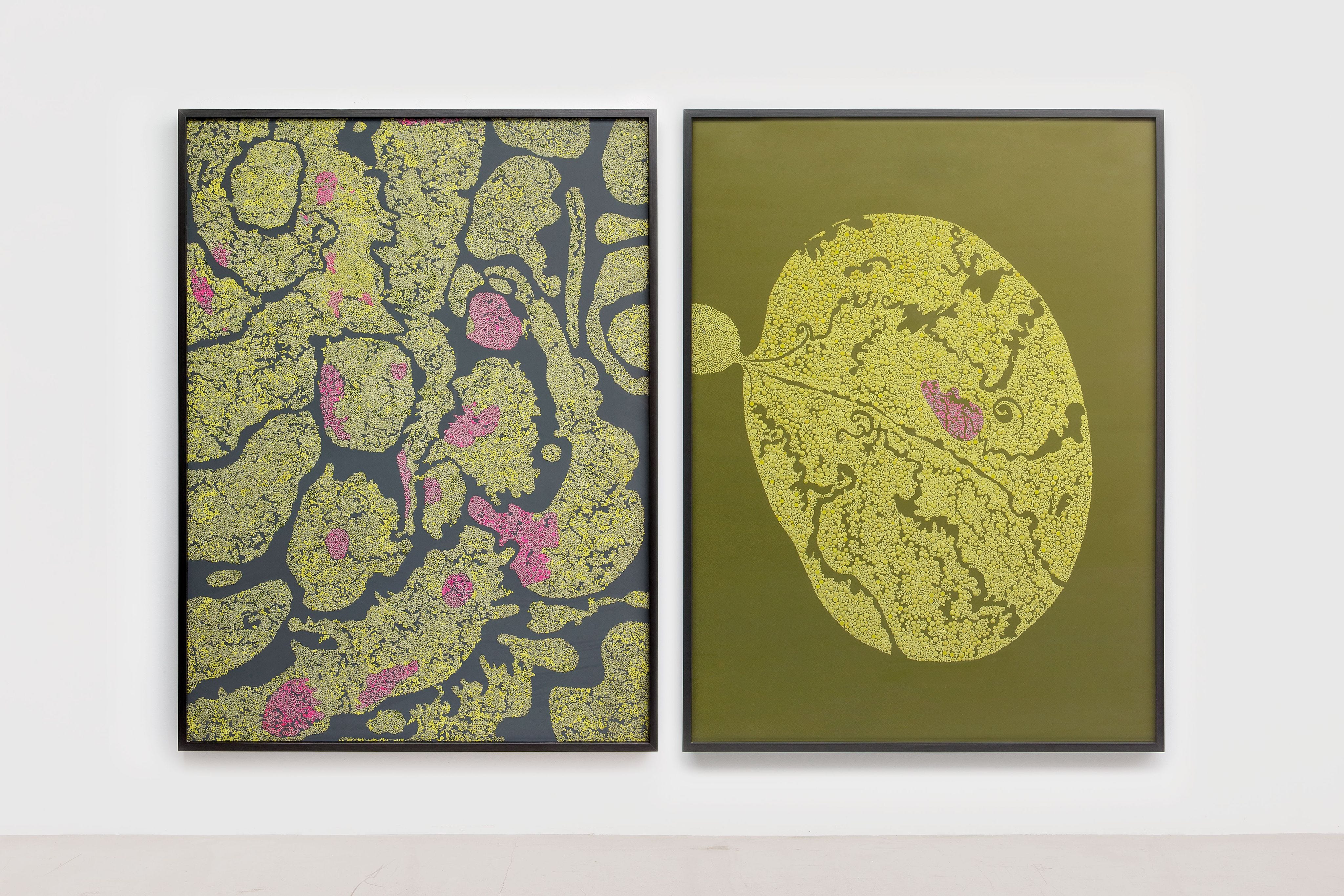
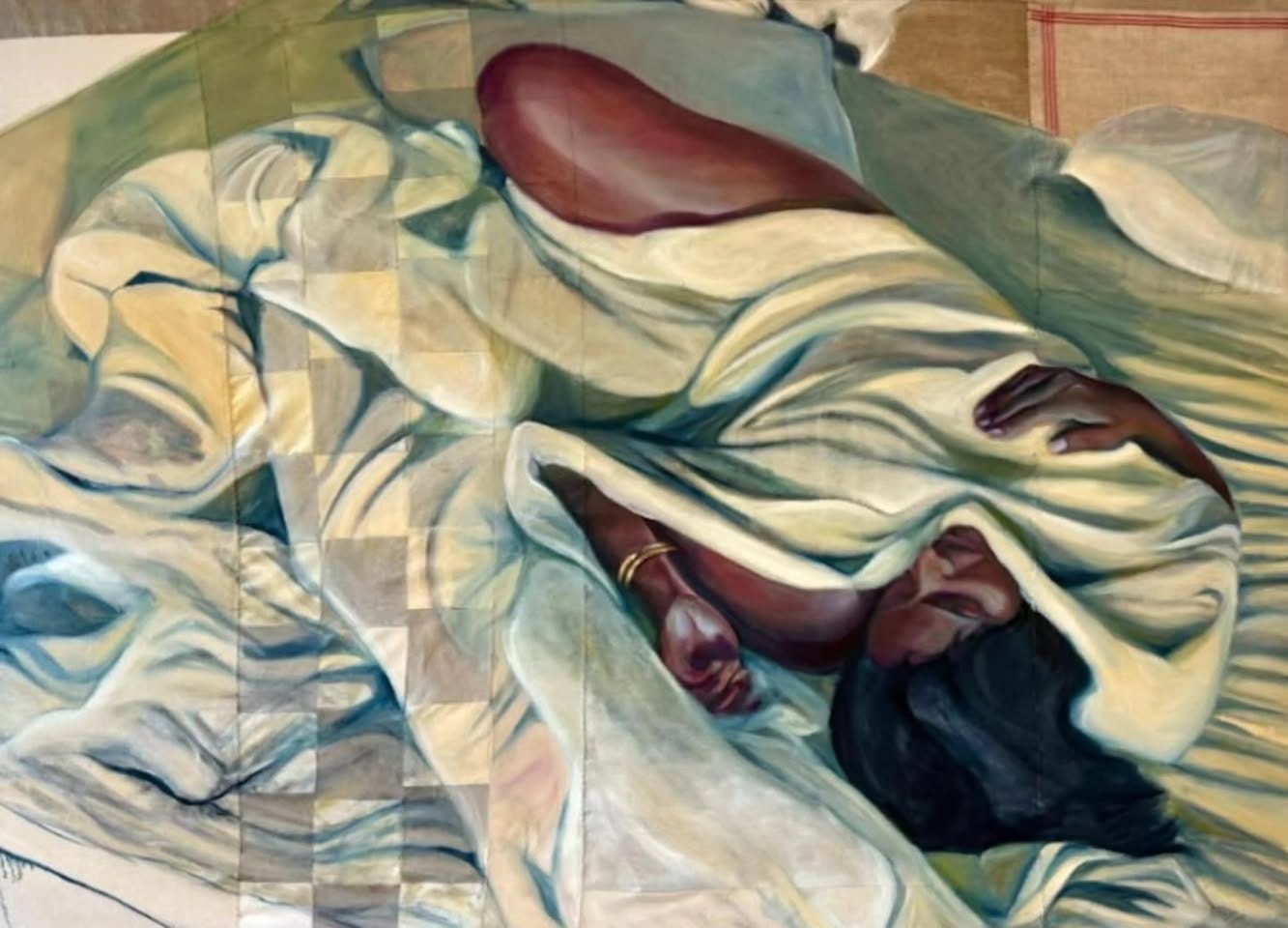
I was going through the Art Mumbai previews this week, and loved seeing all the contemporary work coming out of India, from Bharti Kher’s organic forms made of bindis at Perrotin to Bhasha Chakrabarti’s play on the word, Khwab, meaning sleep in Farsi and dream in Urdu and Hindi, where she painted and sewed together intimate moments. Both felt instantly familiar and unfamiliar, which made me want to spend more time with the work and learn about their practices.
Who is supporting the artists? Brands want us to know there are real artists behind their campaigns. I want to know what those relationships make possible for artists, too.
As collectors, buying work helps an artist keep working, but so can funding opportunities to experiment, make, and show. In the latest Art Basel and UBS survey, 28% of high-net-worth collectors surveyed planned support such as artist prizes, mentorships, or residencies.
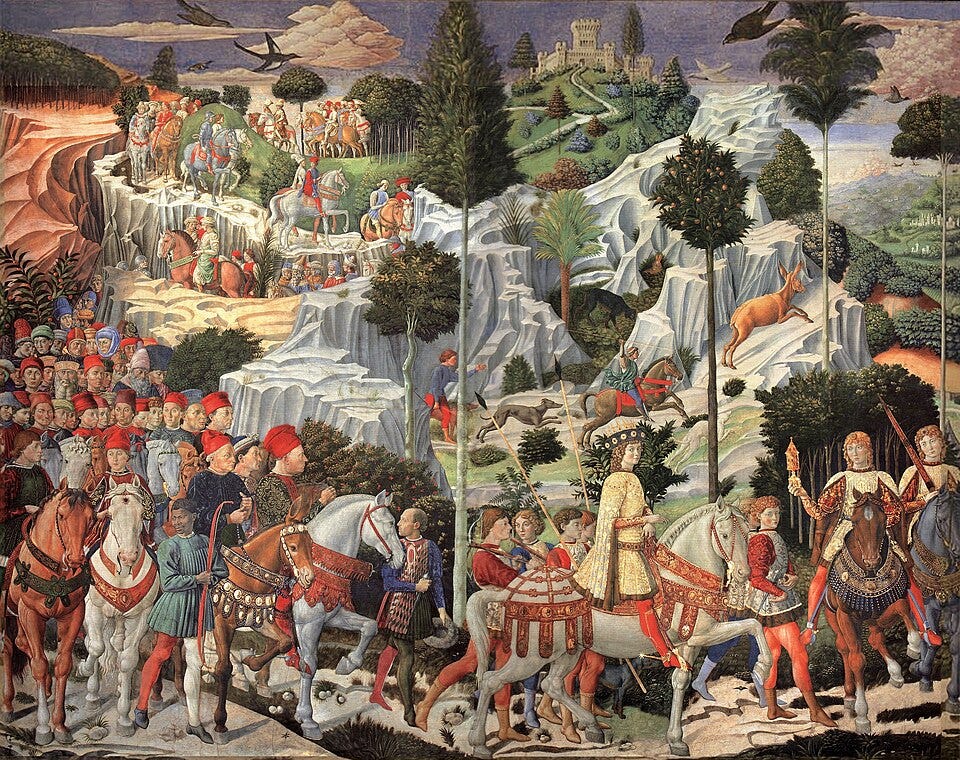
Who are the new patrons and what are they getting out of it? Art patronage has always had complicated motives. The Medici funded art partly to atone for the sin of charging interest on loans. Supporting artists also helped build their cultural legacy alongside their financial power.
Last month, Elon Musk pledged to give a SpaceX share to every kid in America next year. Anthropic committed 5% of its shares to a public-benefit fund, citing AI’s impact on jobs as one potential focus.
These are promises about how that wealth might be shared. Where do the arts fit? Will artists have resources and a voice in shaping this world, or will their work be used to give it a more human face?
Make room for each other. Art gives us a reason to get together - a show, a studio visit, a conversation with someone who sees something completely different in the same work.
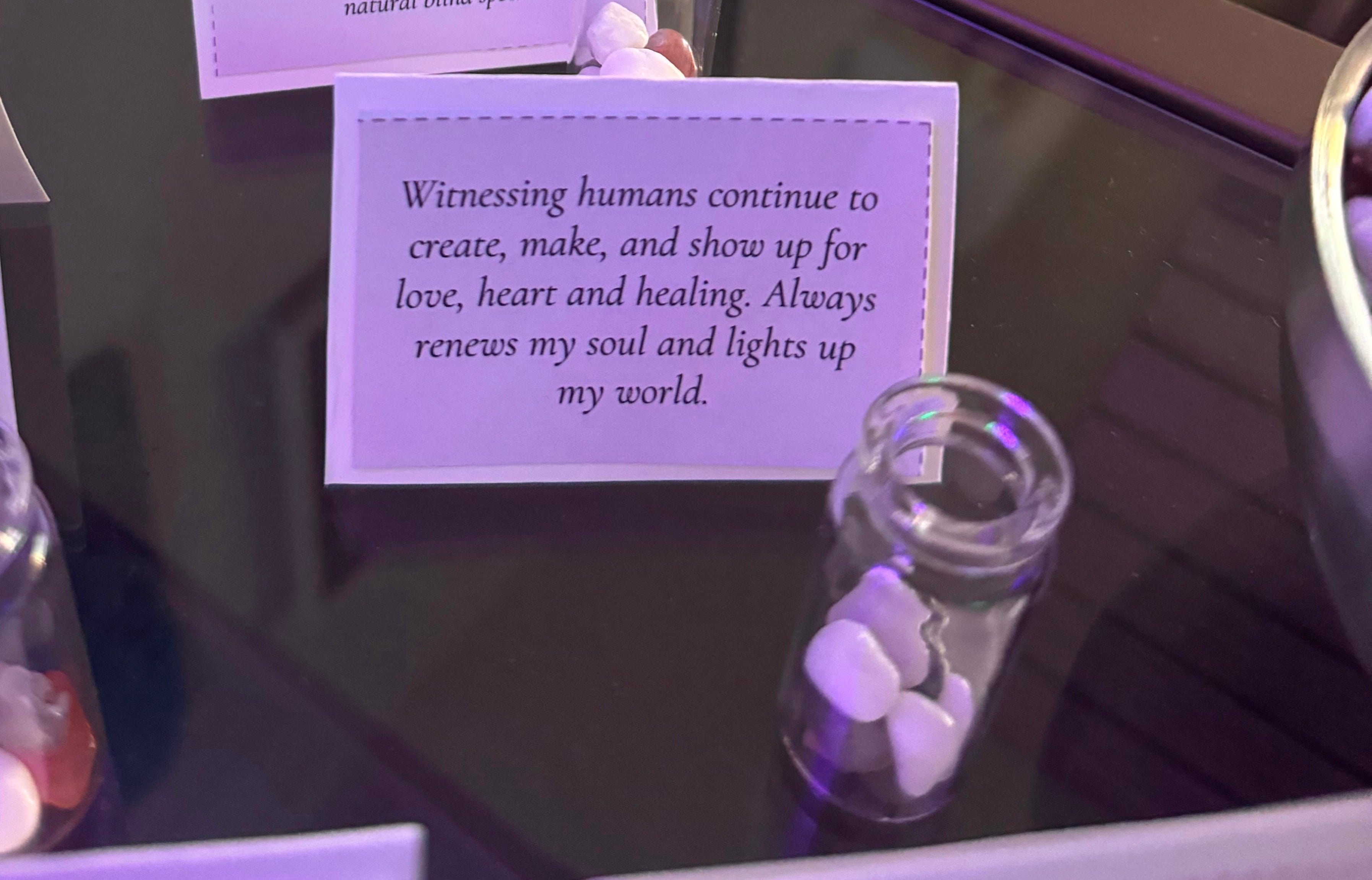
That’s what stayed with me from Jeff’s party. He gave us ways to ask for help, offer something, and learn about each other. As I read through each of the things people were grateful for, this was one of my favorites:
If you liked this newsletter, please hit the ❤️. It helps people discover my work.
Jeff, ever the builder and always one to give credit where it is due, said the book Catch the Fire and his former work with Late Nite Art were how he thought about shaping the activities and how he ran them. If you’d like to try something like it, he’d love to share more, and believe me, you’ll want to take him up on it. Send him a note.
Thank you!