
I’ve gotten used to the fair cycle now: the anticipation, the preview PDFs, the over-scheduled days, the list of artists I want to see for myself and the ones I’m already thinking about for clients.
But once you are there, the experience can start to feel like browsing at an impossible scale. Booth to booth, fair to fair, opening to opening. Everything feels urgent until, a few weeks later, most of it falls away.
After LA Art Week, I kept thinking about memory, the hand, and the strange power of the containers art was shown inside, from repurposed 99-cent stores to the hotel rooms of Felix Art Fair. New York left me with a different set of questions.
What does it mean to collect with conviction? How do you understand the breadth of an artist’s practice? And why does work that demands physical presence feel more necessary than ever?
New York Art Week reminded me that buying art well requires a different kind of attention. Less scanning. More conviction. Less “what should I get?” and more “what am I willing to keep looking at, learning from, and living with over time?”
Conviction collecting beats browsing
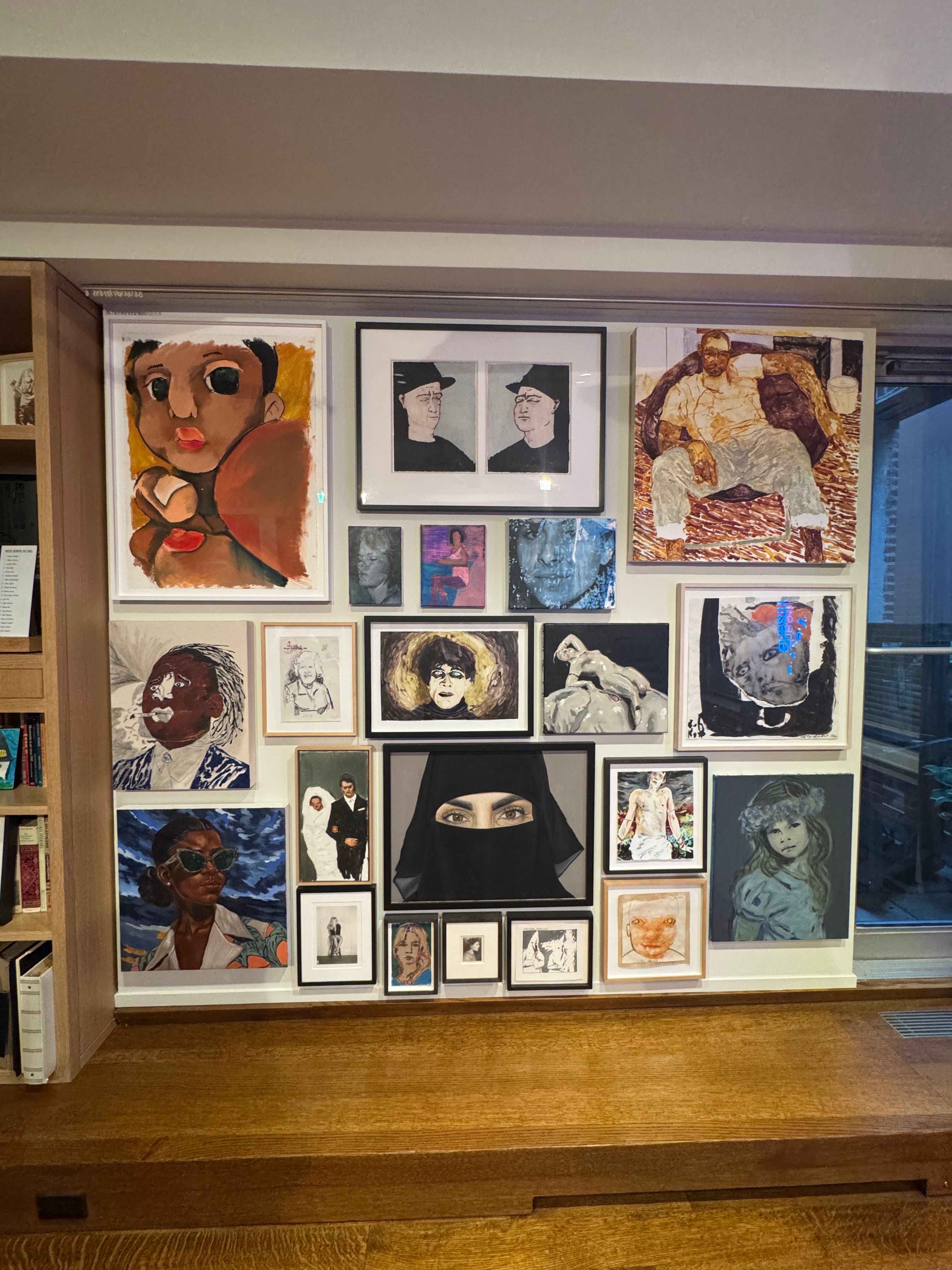
The clearest antidote to fair browsing was the Hort Family Collection.
Susan and Michael Hort have been collecting for more than 40 years. Their collection now includes over 5,000 works, with a deep focus on emerging artists and new voices.
Susan Hort has described their approach this way:
“When we fall in love with an artist’s work and when we have the opportunity we like to collect their work in depth. [We] do not feel that we ‘collect’ an artist until we have at least five major works.”
Five major works is a wild threshold in a market trained around the language of discovery, access, and getting in early. It is also clarifying. The Horts are not talking about liking something, or buying one piece because it fits a wall, or adding a name to a list. They are talking about committing deeply enough that the artist’s practice has room to unfold inside the collection and to give these early artists what they need to keep going.
