
Collecting art can sound like this BIG THING. Something reserved for people with a lot of money, a lot of time, and a certain kind of status - like you have to earn the right to even call yourself a capital C, Collector.
But some of the greatest collectors didn’t start with status. They started with curiosity. They hung out in galleries. They supported their friends. They bought what they loved - slowly, imperfectly, and before it was “obvious.”
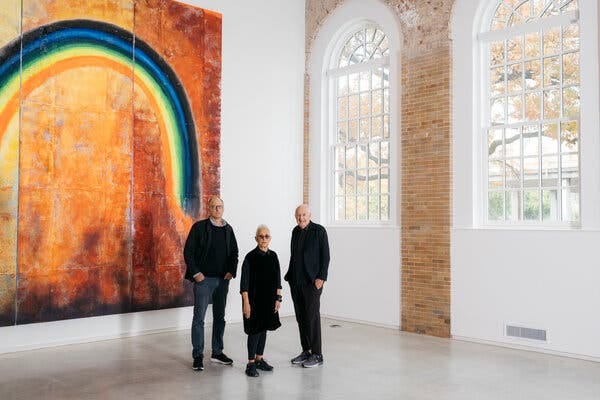
Take Donald and Mera Rubell. They started in the 60s allocating $25, about a quarter of Mera’s weekly teaching salary, toward art and starting with weekly payment plans. They now hold one of the largest private collections in the U.S., with over 7,000 works of art, and opened the Rubell Museum in Miami in 2019 and in DC in 2022 to share it.
Still, the question is always the same: where do I even start? What if I don’t know galleries and artists? What do I even say to an artist without feeling like I’m doing it wrong?
As someone with a nontraditional path to the formal art world, I have absolutely felt all of these things. But I’m also here to say, it’s really not that complicated (plus lucky for us, the art world is shifting to be more transparent and open).
So for this first Collector’s Circle post, I want to give you a field guide I wish existed when I was starting out. Not an art history lesson. Not “how to become a collector overnight.” Just a way to buy art that keeps you out of the spiral, whether you’re spending $500 or $50,000, and helps you build trust with your own eye as you go.
This is the stuff I walk clients through. The questions I ask myself. The tiny rules that save you from buying something you’ll resent six months from now.
Here’s the exact framework and the sources I actually trust.
